

Barber, Beauty, Tips & Advice
Salon Furniture Buying Guide for Busy Irish Salons
Aug
A styling chair is not just there to look good in a photo. It is adjusted, cleaned, moved around, leaned on, and used through cuts, colours, blow-dries, treatments, and long appointments. A wash unit has to support client comfort while giving the stylist enough room to work. A beauty bed has to suit real treatments, not just an empty treatment room. Reception furniture has to welcome clients, support bookings, handle payments, and keep the front of house looking calm when the salon is anything but.
That is why buying salon furniture should never start with style alone.
For Irish salon owners, barbers, beauty therapists, and trade buyers, the better question is simple: will this furniture work hard every day without slowing the business down?
This salon furniture buying guide explains what to compare before investing in styling chairs, wash units, beauty beds, barber chairs, salon trolleys, reception desks, and waiting-area furniture.
What this salon furniture guide covers
- What busy salons need from furniture
- Which furniture to prioritise by service type
- How to compare hair salon furniture, beauty furniture, and barber furniture
- What to check for durability, hygiene, and comfort
- How to plan salon layout before ordering
- Where salons often waste money
- A practical checklist before buying
Start with your services, not the furniture style
The biggest mistake many salons make is choosing furniture because it looks right before checking whether it works right.
A salon that handles a full diary of colour clients needs a different setup from a salon focused on quick cuts and blow-dries. A beauty room used for waxing, massage, facials, and brows needs flexible treatment furniture. A barbershop needs strong chairs, good station flow, and a waiting area that suits faster turnover.
Before buying, write down the services that happen most often in your salon.
Ask:
- Which services take the longest?
- Which furniture gets used by almost every client?
- Where do staff lose the most time during the day?
- Which area feels cramped, awkward, or hard to clean?
- Which pieces are already showing wear?
This makes furniture buying easier because you are no longer shopping by appearance alone. You are shopping by service volume, staff movement, client comfort, and long-term value.
For a full fit-out or furniture refresh, start with Salon Furniture and then narrow your choices by the areas you need to upgrade first.
Salon furniture priorities by area
| Salon area | Furniture to prioritise | What to check first |
| Styling area | Styling chairs, mirrors, trolleys, styling units | chair stability, working space, tool access |
| Wash area | Wash units, basins, backwash seating | neck comfort, water-resistant surfaces, staff access |
| Beauty room | Beauty beds, stools, trolleys, storage | adjustability, therapist movement, cleaning access |
| Barber area | Barber chairs, wash points, mirrors, stations | recline, footrest strength, spacing, durability |
| Reception | Reception desks, waiting chairs, display furniture | traffic flow, payment space, first impression |
| Storage areas | Cabinets, trolleys, compact storage | product access, towel storage, clutter control |
This table is a useful starting point because not every salon needs to spend money in the same place. A small hair salon may need better trolleys and compact styling stations. A beauty salon may need a stronger treatment bed. A barbershop may need to invest first in chairs that can handle daily recline and footrest use.
Hair salon furniture: buy for workflow, not just appearance
Hair salon furniture has to support the pace of the salon floor.
In most hair salons, the core pieces include styling chairs, mirrors, wash units, trolleys, styling stations, footrests, storage, dryers, and processors. These pieces shape the way stylists move, the way clients sit, and the way the salon feels during busy hours.
When choosing Hair Salon Furniture, think about the full client journey. A client may move from reception to consultation, then to colour, then to the wash area, then back to the chair for cutting and styling. If one part of that journey is uncomfortable or badly planned, the whole service feels less polished.
Styling chairs: the daily-use essential
A styling chair is one of the most important purchases in a hair salon.
It has to support different clients, different stylists, and different services. A good chair should feel stable under the client, easy for the stylist to adjust, and comfortable enough for longer colour or treatment appointments.
When comparing a Styling Chair, check:
- Does the base feel strong and stable?
- Is the hydraulic lift smooth?
- Is the seat comfortable for longer appointments?
- Is the upholstery easy to wipe clean?
- Are seams and edges likely to trap colour, hair, or product?
- Does the chair suit the style and size of your salon?
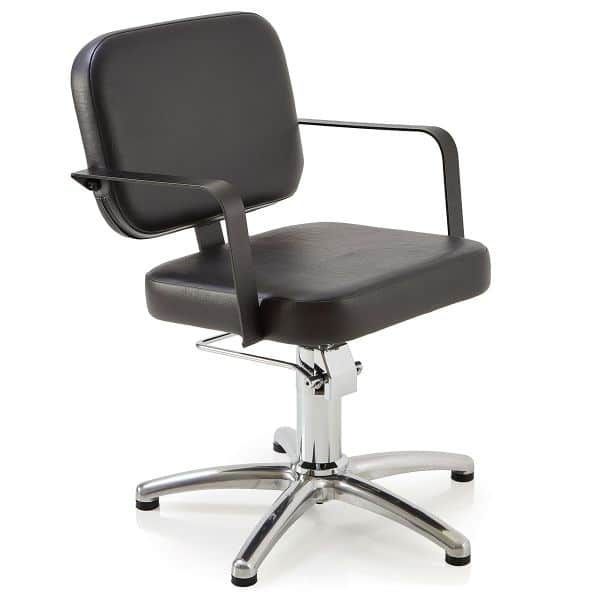
A chair that looks attractive but feels light, awkward, or difficult to clean can become frustrating very quickly in a busy salon.
Wash units: comfort clients remember
The wash area is one of the most important comfort points in a hair salon.
Clients may forget the brand of the chair they sat in, but they remember an uncomfortable backwash. They remember neck strain, awkward basin angles, cold water splashes, and feeling rushed. Staff notice problems too. If a wash unit is difficult to work around, it affects posture, timing, and service quality.
When choosing Wash Units, consider:
- Client neck support
- Seat comfort
- Basin position
- Cleaning access
- Water-resistant surfaces
- Space for staff to work comfortably
- Suitability for colour rinsing, toning, treatments, and regular shampoo services
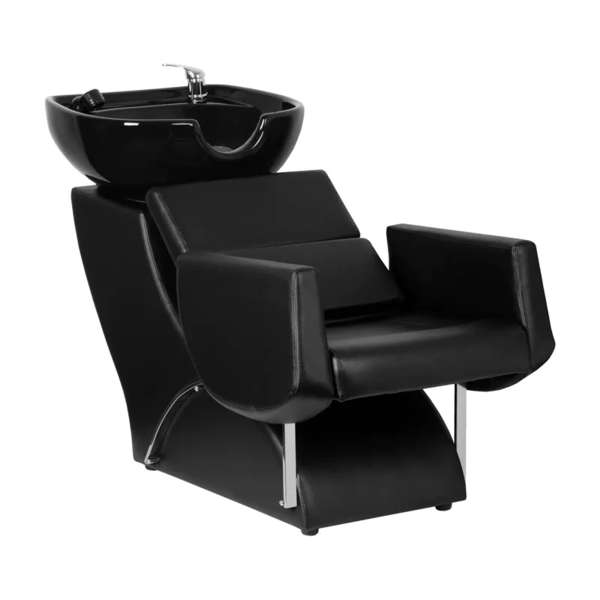 For colour-heavy salons, the wash area needs extra thought. Toners, masks, conditioners, colour rinses, and treatments all pass through this space. The furniture must be practical, not just polished.
Salon trolleys: small item, big workflow impact
A salon trolley does not always feel like a major furniture decision, but it affects how smoothly the day runs.
A well-chosen Salon Trolley keeps bowls, brushes, clips, foils, gloves, combs, and styling tools close to the stylist. That reduces unnecessary steps, keeps stations tidier, and helps the salon floor feel more organised.
When buying salon trolleys, check:
- Wheel movement
- Drawer size
- Cleaning ease
- Storage capacity
- Height and access
- Whether it fits between stations without blocking walkways
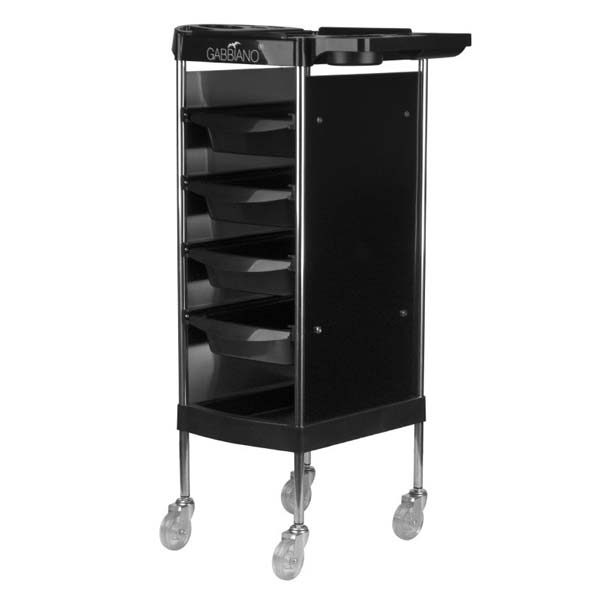
For smaller salons, compact trolleys can make a noticeable difference because every bit of floor space matters.
Beauty salon furniture: choose comfort and access together
Beauty salon furniture has to create a calm experience for the client while supporting precise work for the therapist.
A treatment room may look peaceful, but the furniture inside it works hard. Facials, massage, waxing, brows, lashes, body treatments, and nail services all require different levels of access, posture, storage, and cleaning.
When shopping for beauty salon furniture, choose based on your service menu first. A waxing room, facial room, massage space, brow area, and nail station should not all be planned the same way.
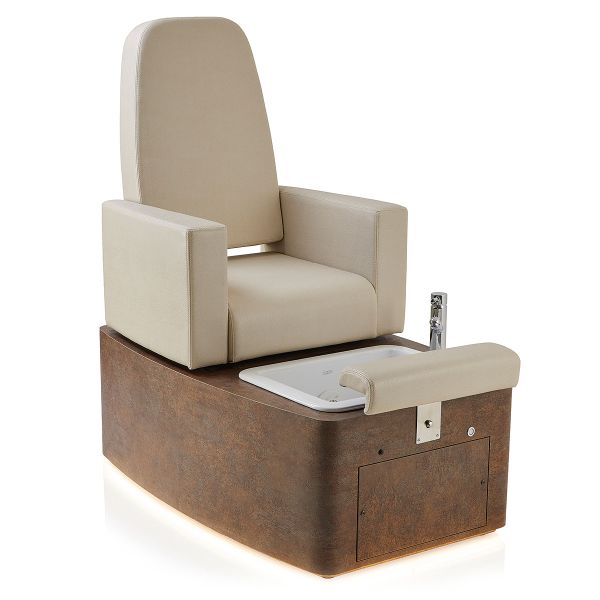
Beauty beds and treatment chairs
The beauty bed is usually the centre of the treatment room.
It should be comfortable for the client, but it also has to work for the therapist. A bed that is too low, too narrow, difficult to adjust, or awkward to move around can affect the quality of the treatment and the therapist’s posture over time.
When comparing Beauty Beds & Chairs, look at:
- Client comfort during longer treatments
- Therapist access from both sides
- Height and adjustability
- Surface finish
- Ease of cleaning
- Room size
- Space for stools, trolleys, lamps, and equipment
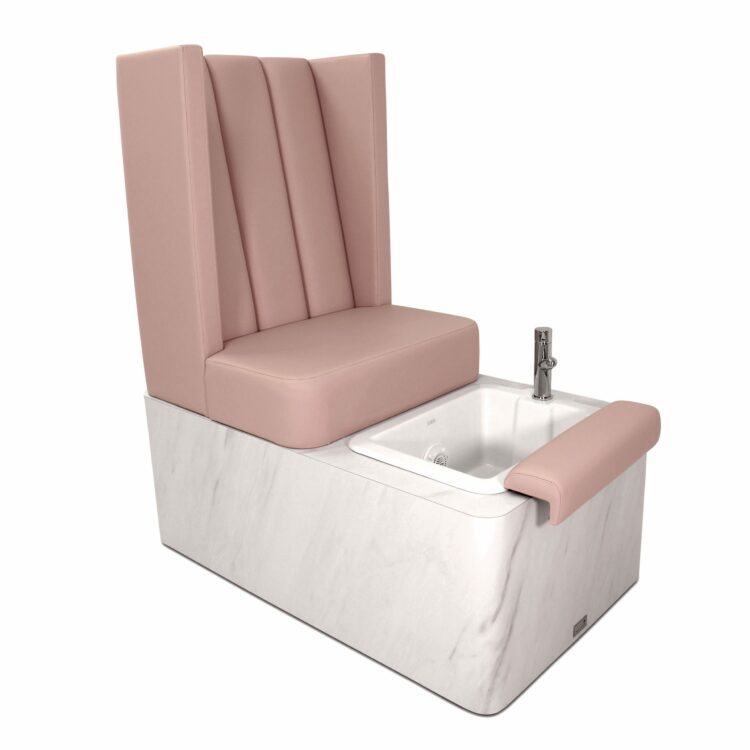
The right beauty furniture should make the room feel calm without making it hard to work in.
Beauty stools, trolleys, and storage
Beauty stools and trolleys are easy to treat as afterthoughts, but they affect posture, timing, and room organisation.
A good stool supports the therapist’s position during detailed services such as brows, lashes, facials, nails, and waxing. A good trolley keeps tools and products close without making the room feel cluttered.
In smaller Irish salons, this matters even more. A compact beauty room can still feel professional if the storage is planned properly. But if products, towels, equipment, and tools are always in the way, the room feels less premium and becomes harder to clean.
Barber furniture: strong, practical, and built for pace
Barber furniture has a different job from standard salon furniture.
A barbershop often needs furniture with more presence, more strength, and more flexibility. The chair may need to support cutting, shaving, beard work, recline positions, and quick client turnover. The station has to keep tools close. The waiting area should feel sharp without blocking the flow of the shop.
Explore Barber Furniture when planning a new barbershop, refreshing tired chairs, or upgrading a station layout.
Barber chairs
A barber chair is one of the most visible pieces in the shop, but it must be more than a statement piece.
When choosing Barber Chairs, check:
- Frame strength
- Seat comfort
- Recline function
- Footrest strength
- Base stability
- Upholstery finish
- Space needed around the chair
- Whether it suits your service menu
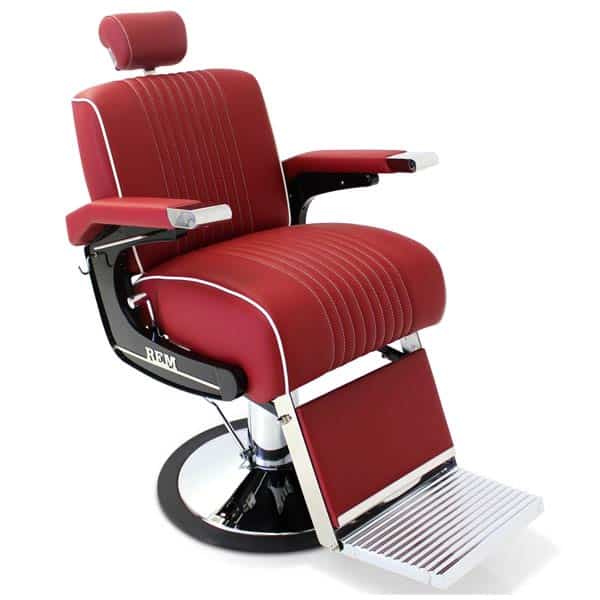
A heavy-looking barber chair is not automatically the right choice. It still needs to fit the room, support the barber’s movement, and suit the daily pace of the shop.
Barber wash points, mirrors, and stations
Barber wash points should be comfortable, practical, and easy to work around. Mirrors and styling units should give enough room for tools without making the station feel crowded.
One common mistake is choosing oversized barber furniture for a narrow shop. It may look premium online, but if staff are constantly squeezing past chairs or clients are waiting too close to the service area, the layout is working against the business.
Waiting area and reception furniture: protect the first impression
The waiting area is often the client’s first real impression of the salon.
It does not need to be large, but it does need to feel intentional. Clients should have somewhere comfortable to sit. Staff should be able to manage arrivals and payments. Retail products should be visible without making the entrance feel cluttered.
Use Waiting Area Furniture to plan this part of the salon properly.
Reception desks
A reception desk is not just decoration at the front of the salon.
It may need to support booking management, payments, phone calls, gift card sales, retail questions, deliveries, client records, staff notes, and appointment flow. If it is too big, it can make the entrance feel tight. If it is too small, it can look messy by mid-morning.
Before choosing reception furniture, ask:
- Is there enough room for payment equipment?
- Can staff work comfortably behind it?
- Does it support retail display nearby?
- Will clients have enough space to enter, wait, and leave?
- Can the desk stay tidy during busy periods?
- Does it match the salon’s brand without overpowering the space?
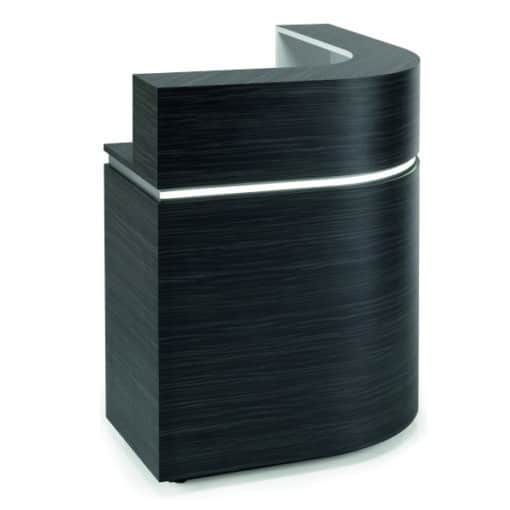
A strong reception area makes the salon feel more organised before the service even begins.
Signs your salon furniture is costing you money
Furniture does not have to be broken to be a problem.
Sometimes it costs the business money quietly by slowing staff down, making cleaning harder, or reducing the quality of the client experience.
Watch for these signs:
- Chairs feel unstable or difficult to adjust
- Upholstery is cracked, stained, or hard to clean
- Wash units cause client discomfort
- Trolleys do not hold enough tools or products
- Staff have to keep walking away from the station
- Treatment beds limit therapist access
- Reception becomes cluttered during busy hours
- Waiting chairs look tired or uncomfortable
- Furniture is too large for the room
- Cleaning around stations takes longer than it should
If furniture is creating friction every day, replacing it may be more than a cosmetic upgrade. It may improve workflow, hygiene, comfort, and service quality.
Durability: what to compare before buying salon furniture
In a high-traffic salon, durability should be one of the first things you compare.
New furniture always looks good at the start. The real test comes after months of cleaning spray, colour marks, hair, towels, product residue, water, wax, polish, tan, and constant client movement.
Before buying, check:
- Upholstery quality
- Stitching and seam placement
- Base strength
- Frame stability
- Hydraulic or recline mechanisms
- Surface finish
- Water resistance
- Product resistance
- Cleaning access
- Whether the piece suits daily professional use
Not every item needs to be the most expensive option. But the pieces used all day, every day should be chosen carefully. Styling chairs, wash units, barber chairs, treatment beds, trolleys, and reception furniture carry more pressure than occasional-use pieces.
Hygiene: easy-clean furniture saves time
Salon hygiene is not only about the cleaning products you use. It is also about how easy the furniture is to clean properly.
Furniture with awkward gaps, rough surfaces, deep seams, or hard-to-reach edges can collect hair, colour, wax, dust, and product residue. In a busy salon, that adds extra work and makes the space harder to keep fresh.
Easy-clean furniture matters most in:
- Hair colour areas
- Wash stations
- Beauty rooms
- Waxing rooms
- Nail stations
- Barber stations
- Reception counters
- Waiting areas
Smooth, wipeable surfaces help the salon look professional for longer. They also make daily cleaning routines easier for staff.
Salon layout: measure the working space, not just the wall
Good salon furniture can still feel wrong if the layout is poor.
Before ordering, measure more than the empty space where the furniture will sit. Measure the space people need to move around it.
Allow room for:
- Staff working behind chairs
- Clients walking safely through the salon
- Trolleys moving between stations
- Drawers and cupboards opening fully
- Cleaning around and under furniture
- Towels, stock, retail, and colour supplies
- Reception traffic during busy times
- Waiting clients, bags, coats, and retail browsing
A cramped layout can make even premium furniture feel awkward. A well-planned layout can make a smaller salon feel more professional, calmer, and easier to work in.
Plan your salon furniture by zone
Most salons work better when the furniture is planned in zones.
Reception and waiting zone
This is where clients arrive, wait, pay, browse, and form their first impression. Keep it clear, comfortable, and easy to manage.
Styling or treatment zone
This is where the service happens. Prioritise chair comfort, working space, mirrors, lighting, tool access, and staff movement.
Wash or backwash zone
This area needs comfort, water-resistant finishes, easy cleaning, and enough space for staff to work without strain.
Storage and back-bar zone
This keeps towels, gowns, colour supplies, peroxide, professional products, tools, and cleaning products organised.
Retail zone
Retail should be visible without blocking reception or client movement. The furniture should help products look easy to browse, not squeezed in.
When every zone has a clear role, the salon feels easier to run.
Budget: where should salons spend more?
The cheapest salon furniture is not always the best value. But the most expensive option is not automatically the best choice either.
A smarter approach is to spend more where the furniture gets the most use.
Higher priority areas usually include:
- Styling chairs
- Wash units
- Barber chairs
- Beauty beds
- Reception desks
- High-use trolleys
- Daily-use storage
Lower priority areas may include occasional seating, decorative pieces, or furniture used less often.
The aim is not to overspend. The aim is to avoid replacing weak furniture too soon or creating daily problems for staff and clients.
A good budget question is:
Which furniture affects the most appointments every week?
That is usually where better quality gives the strongest return.
Common salon furniture buying mistakes
Many salons only realise a furniture mistake after the item is already in the room.
Avoid these common problems:
- Buying furniture that is too large for the space
- Choosing style before checking function
- Ignoring staff movement behind stations
- Forgetting how much cleaning the item will need
- Choosing treatment beds without checking therapist access
- Buying trolleys with too little storage
- Underestimating reception desk use
- Mixing too many styles in one salon
- Forgetting about future growth
- Not matching furniture to the main service menu
The right furniture should make the salon easier to run. If it creates bottlenecks, cleaning issues, or discomfort, it is not a good investment.
Salon furniture buying checklist
Before placing an order, ask these questions:
- Does this furniture suit the services we perform most?
- Will it handle our weekly client volume?
- Is it comfortable for clients?
- Does it support staff posture and movement?
- Is it easy to clean between appointments?
- Does it fit the room with enough working space around it?
- Does it match the salon’s look and brand?
- Can it still work if the business grows?
- Is this a high-use item worth investing in?
- Would this piece make the salon faster, cleaner, or more comfortable?
If the answer is yes across most of these points, the furniture is likely a stronger long-term choice.
Buy furniture that supports the working day
Salon furniture should look good, but it also has to earn its place.
For busy Irish salons, the best furniture choices support comfort, hygiene, layout, workflow, and long-term value. A beautiful chair that slows the stylist down is not a smart buy. A reception desk that looks impressive but blocks the entrance is not helping the business. A treatment bed that limits access will frustrate the therapist no matter how polished the room looks.
Start with your services. Think about your busiest days. Look at where staff lose time. Notice where clients wait, sit, move, and relax.
Then choose furniture that supports the way your salon actually works.
Explore Salon Furniture at The Hair & Beauty Company, including Hair Salon Furniture, Beauty Salon Furniture, Barber Furniture, Styling Chairs, Wash Units, Salon Trolleys, Barber Chairs, and Waiting Area Furniture.
FAQ
What is the most important furniture for a busy salon?
The most important salon furniture is usually the furniture used in nearly every appointment. For hair salons, this often means styling chairs, wash units, mirrors, trolleys, and storage. For beauty salons, treatment beds, stools, trolleys, and storage are usually key. For barbershops, barber chairs, mirrors, stations, and waiting-area furniture matter most.
How do I choose good salon furniture?
Choose salon furniture by service type, client volume, cleaning needs, layout, and comfort. Look beyond appearance and check how the furniture will work during a full week of appointments.
What should I look for in hair salon furniture?
For hair salon furniture, check chair stability, hydraulic adjustment, easy-clean upholstery, wash unit comfort, trolley storage, mirror placement, and enough space for stylists to move around each station.
What furniture does a beauty salon need?
A beauty salon may need treatment beds, beauty chairs, stools, trolleys, nail stations, storage, and waiting-area furniture. The right choice depends on the services offered, such as facials, waxing, massage, brows, lashes, nails, or body treatments.
What furniture does a barbershop need?
A barbershop usually needs barber chairs, mirrors, styling units, wash points, trolleys, storage, and waiting chairs. Barber chairs should be strong, comfortable, stable, and suitable for cutting, shaving, beard work, and reclined services.
Is salon layout important when buying furniture?
Yes. Salon layout is just as important as the furniture itself. Furniture should leave enough room for staff movement, client comfort, trolleys, cleaning, open drawers, reception flow, and safe walkways.
Should I buy cheap salon furniture?
Cheap salon furniture can be suitable for low-use areas, but high-use furniture should be chosen carefully. Chairs, wash units, beauty beds, barber chairs, and reception desks often need stronger build quality because they are used every day.
How can salon furniture improve client experience?
Good salon furniture makes appointments feel more comfortable, professional, and organised. Clients notice comfortable chairs, clean wash areas, tidy stations, a calm reception area, and furniture that fits the space properly.
When should salon furniture be replaced?
Salon furniture should be replaced when it becomes uncomfortable, unstable, difficult to clean, visibly worn, too small for the business, or no longer suitable for the services offered. High-use furniture should be reviewed regularly because it affects both staff and clients.
Where can Irish salons buy professional salon furniture?
Irish salons can buy professional salon furniture from The Hair & Beauty Company, including hair salon furniture, beauty salon furniture, barber furniture, styling chairs, wash units, salon trolleys, barber chairs, and waiting-area furniture.
