

Beauty, Manicure, Tips & Advice
Why Is Gel Polish Peeling or Lifting? A Troubleshooting Guide for Nail Technicians
Sep
Gel polish can peel or lift when preparation, application, curing or product selection does not suit the nail. Residue, skin contact, overly thick layers and an unsuitable lamp are possible causes. Check where separation begins, review the complete service routine and correct the cause before reapplying product.
A client messages two days after her appointment: one nail has lifted beside the cuticle. Another returns with chips across both index fingers. Both need attention, but they may need different solutions. Treating every service breakdown with extra primer can leave the actual problem unresolved.
For Irish nail salons, repeat repairs also take up appointment space. A complimentary repair still uses technician time, preparation products and colour. A reliable troubleshooting routine helps protect that time while giving clients a clear explanation of what happens next.
Start with the location and timing of the failure. Then work backwards through the treatment. The aim is to identify what changed, rather than replacing a whole system after one disappointing set.
Is the gel peeling, lifting or chipping?
Lifting means the coating has separated from the natural nail, often creating a visible gap. Peeling describes a larger section coming away, sometimes as a sheet. Chipping usually involves a small piece breaking away at an edge.
These descriptions are useful observations, not a diagnosis. A client photograph may hide the starting point, so assess the nails in person where possible. Ask when the client first noticed the problem and whether any pain, itching or swelling accompanied it.
| What you notice | What to investigate first | Practical next step |
| Lifting near the cuticle | Residue or product touching surrounding skin | Review preparation and application boundaries |
| Separation along a sidewall | Flooding, contamination or uneven coverage | Inspect sidewalls before every cure |
| Chips at the free edge | Wear, nail flex or application at the edge | Review length, shape and edge technique |
| Large sections peeling away | Adhesion, system compatibility or curing | Check the complete service record |
| Problems on several clients | A shared product, lamp or technique change | Audit the workstation and recent changes |
Avoid promising that the pattern proves one particular cause. Several factors can occur together, especially when a damaged nail is being treated with an unfamiliar system.
Why is gel polish lifting at the cuticle?
Check the nail surface without overworking it
Residual cuticle on the nail plate can interfere with adhesion. So can dust, oil or traces of a preparation product that has not been removed as instructed. Use the preparation sequence specified for the chosen system, paying attention to the sidewalls and the area close to the proximal nail fold.
Do not confuse thorough preparation with aggressive filing. The natural nail should not be thinned to make gel adhere. If the surface is already fragile from picking or previous removal, reassess whether the proposed treatment is suitable.
Keep preparation tools organised and avoid touching a prepared nail with your fingers. A client reaching into a handbag or applying hand cream during the appointment may mean you need to repeat the relevant cleansing step.
Keep uncured gel away from skin
A neat margin around the nail matters for both service quality and client care. Inspect each layer before curing. If product floods the sidewall or touches skin, remove the contamination using the method recommended by the manufacturer before placing the hand in the lamp.
The British Association of Dermatologists warns that skin exposure to uncured nail products can cause sensitisation and that insufficient curing can increase allergy risk. Itching, swelling, blistering or nail separation should not be treated as an ordinary adhesion problem. Stop the service and advise the client to seek medical assessment.
Could application or curing be causing the problem?
Review layer thickness
Trying to achieve full colour coverage in one heavy coat can make application inconsistent. Follow the manufacturer’s layer instructions, including any differences between base, colour, builder and top-coat products.
Check where the product pools. A thicker area beside a sidewall may be less obvious than a bulky centre. Rotate the finger gently during your visual check so that the whole nail surface is visible.
Never judge curing by appearance alone. A coating that feels hard on top has not automatically been adequately cured throughout.
Match the lamp to the system
The wattage printed on a lamp does not, by itself, confirm compatibility. Use the lamp and curing schedule recommended or validated for the exact product. Do not transfer a curing time from another brand because the bottle or shade looks similar.
Check hand positioning, especially thumbs. Follow the lamp instructions, keep it clean as directed and inspect it for damage. If several clients develop similar problems after a lamp change, investigate the equipment before blaming their aftercare.
Avoid unverified product combinations
A favourite base coat, another brand’s colour and an unrelated top coat may appear to work together, but appearance does not establish compatibility. Follow manufacturer guidance and confirm combinations with the supplier when necessary.
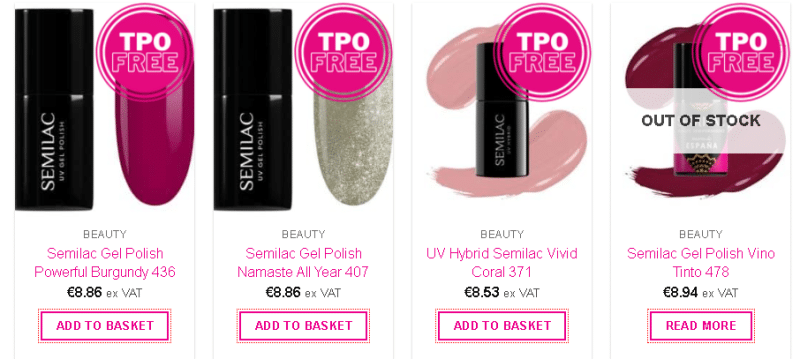
Keep the product name, range and batch details in your records. That information is more useful during troubleshooting than simply noting “pink gel”. Browse professional gel polish by system, then check its application requirements before purchasing supporting products.
Why does gel polish chip at the free edge?
Look at nail length, shape and the client’s daily routine. Repeated knocks or using nails to open packaging can place extra stress on the edge. Very flexible or peeling natural nails also need an assessment of whether ordinary gel polish is the appropriate service.
Follow the product instructions on finishing the free edge. Avoid adding a bulky ridge in an attempt to make it stronger. A longer nail may need a different service plan rather than another coat of colour.
Discuss work and home routines without making the client feel blamed. A hair stylist handling frequent wet work and a client typing all day may experience different demands. Practical advice might include suitable gloves for household cleaning and reporting damage promptly rather than picking at it.
What should you do when a client returns with lifting?
Use a repeatable review so that the repair produces useful information for the next appointment.
- Ask when separation started, which fingers were affected and whether there are symptoms beyond product breakdown.
- Inspect the nail and surrounding skin before deciding whether another gel service is appropriate.
- Remove affected product according to its removal instructions. Do not glue down a lifted area or seal new gel over an existing gap.
- Review preparation, layers, lamp compatibility and curing times against the manufacturer’s current guidance.
- Agree a suitable service and aftercare plan, then record the changes for the next visit.
If you cannot identify why the service failed, contact the product supplier with the relevant records. Repeatedly experimenting on the same client can add unnecessary exposure and frustration.
How can your salon reduce repeat repairs?
Keep a short service record
Record the system, lamp, removal method and any notable nail condition. Note repairs by location and timing. If problems cluster around one shade, one lamp or one preparation change, you have a starting point for investigation.
Give specific aftercare
“Be careful with your nails” is too vague. Explain that clients should avoid picking lifted areas, use suitable protection for cleaning and contact the salon when a coating starts separating. Make your repair policy and contact process easy to understand.
Calculate the real appointment cost
As an illustration, a 15-minute repair uses a quarter of an hour even when no fee is charged. Multiply that time by the number of weekly repairs before deciding whether staff training, equipment review or more consistent preparation needs priority. This is a planning calculation, not a promised saving.
Frequently asked questions
Q. Why is my client’s gel polish peeling off after two days?
Early peeling warrants a review of preparation, application, curing and compatibility. Ask where it began and whether multiple nails are affected. Timing alone cannot identify the cause, so inspect the nails and compare the service record with the product instructions.
Q. Should I use more primer to stop gel polish lifting?
Only use primer as directed for the chosen system. More product is not automatically more effective, and primer cannot correct skin contact, unsuitable curing or damaged nails. Check the complete routine before changing the amount or adding another adhesion product.
Q. Can I apply gel polish over a lifted area?
Do not cover an existing gap with fresh gel. Assess the nail, remove affected material as instructed and decide whether reapplication is suitable. Refer clients for medical advice if you notice concerning changes or symptoms.
Q. Does gel polish lifting mean the client has an allergy?
Lifting alone does not establish an allergy. Itching, swelling, blistering or changes to the natural nail need particular attention. Stop the service and recommend medical assessment rather than testing a different gel on the client yourself.
Choose supplies that support a consistent service
Before your next order, identify the part of the routine that needs attention. Explore THAB’s professional gel polish and nail-lamp collections, confirm system compatibility and replenish the preparation products specified by your manufacturer. A consistent service starts with an appropriate product system and a routine your whole team can follow.
