

Beauty, Manicure, Pamper, Tips & Advice
Gel Nails vs Acrylic Nails: What Is the Difference?
Sep
Gel nails and acrylic nails can both create longer, stronger and more polished-looking nails, but they are not two names for the same treatment. Gel is applied in layers and cured under a compatible UV or LED lamp. Traditional acrylic is created by combining liquid monomer with polymer powder, then shaping the mixture while it hardens in the air.
The choice is not simply “natural-looking gel versus strong acrylic”. Modern gel systems can build considerable structure, while a well-applied acrylic enhancement can be refined and natural-looking. The better option depends on the client’s natural nails, preferred length and shape, daily routine, maintenance habits and the system the nail technician is trained to use.
So, are gel nails better than acrylic nails? Neither is universally better. Gel generally offers a glossy, slightly more flexible finish; acrylic gives the technician firm structure and extensive control over length and shape.
What Is the Main Difference Between Gel and Acrylic Nails?
The main difference is how the enhancement is formed and set. Gel is supplied as a ready-to-apply product with a viscous texture. It remains workable until the technician cures it under the lamp specified for that system. This gives the technician time to refine placement before curing each layer.
Acrylic begins to polymerise as soon as the monomer liquid and polymer powder are combined. The technician controls the liquid-to-powder ratio, places each bead and builds the nail before the product hardens. No lamp is required for traditional acrylic itself, although gel polish applied over acrylic will need the correct lamp.
This difference affects the pace and feel of the appointment. Gel gives controlled working time between curing stages. Acrylic requires confident product control because temperature, bead consistency and working speed influence the result.
Gel Polish, Builder Gel and Hard Gel Are Not the Same
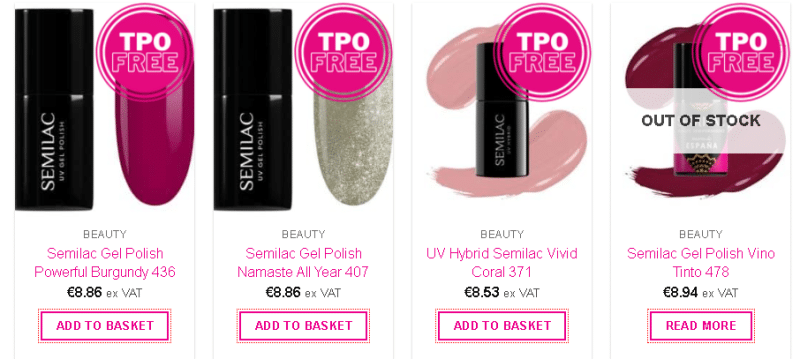
“Gel nails” is a broad term. Gel polish provides durable colour but only limited reinforcement. Builder gel is thicker and can create an apex, support an overlay or add short extensions. Hard gel can create more substantial structure and is normally filed rather than soaked away. A client asking for gel nails should therefore clarify whether they want colour on the natural nail, added strength or extra length.
Which Is Stronger: Gel or Acrylic?
Acrylic is generally associated with a hard, rigid structure and can be particularly useful for long extensions, dramatic shapes and clients who place considerable demand on their hands. Its strength also allows a trained technician to correct shape and build a carefully balanced enhancement.
Builder and hard gels can also create strong overlays and extensions, but they usually retain slightly more flexibility. That can feel more natural for some clients, especially at shorter or medium lengths. Flexibility is not the same as weakness; the product must still be applied with a suitable apex, sidewall structure and free-edge thickness.
Strength depends on architecture as much as product category. An acrylic nail with poor balance can crack, and a well-built gel nail can wear reliably. The technician must match the structure to the length, shape and lifestyle rather than applying every system in the same way.
Which Looks More Natural?
Gel often has the immediate advantage when a client wants a glossy, lightweight-looking overlay. Its self-levelling properties can help create a smooth surface, and many clients like the slightly flexible feel. This is especially relevant for short natural nails or a neat, understated finish.
Acrylic does not have to look thick or artificial. An experienced technician can control bead size, taper the sidewalls and refine the apex to produce a slim enhancement. The final appearance depends more on application and finishing than on the product name.
Which Lasts Longer?
Both gel and acrylic enhancements are commonly maintained every two to three weeks, although the correct interval varies with nail growth, length, lifestyle and retention. Neither should be judged only by how long it remains attached. An overgrown enhancement shifts the apex forwards and can become unbalanced even when it has not lifted.
Acrylic may be preferred by clients who are hard on their nails because of its rigid structure. Gel may perform better for clients who benefit from some flexibility. Repeated lifting is not a reason to keep adding more product; the technician should review preparation, product compatibility, nail condition, shape and aftercare.
Which Is Better for Short or Weak Nails?
For short natural nails that need modest reinforcement, a builder-gel overlay may provide enough structure without creating a full extension. Gel can also be a suitable choice for clients who want to grow their natural nails while maintaining a polished finish.
Acrylic can work well when a weak or uneven nail needs more substantial correction, provided the natural nail is healthy enough for the service. Neither system repairs the natural nail. The enhancement provides external structure while it is worn; it does not permanently strengthen the nail plate underneath.
Nails that are painful, inflamed, discoloured, separated from the nail bed or showing signs of infection should not simply be covered. The service should be postponed and the client directed to appropriate professional advice.
Is Gel or Acrylic More Damaging?
Neither system automatically ruins natural nails. Most avoidable damage is linked to aggressive preparation, excessive filing, poorly balanced extensions, picking lifted product or forcing an enhancement off. Correct application should remove only the surface shine required by the system, not thin the natural nail unnecessarily.
Removal also matters. Some soft gels and acrylic systems can be reduced and soaked according to the manufacturer’s instructions. Hard gel is normally filed off. A product should never be assumed to be soak-off simply because it is called gel. Peeling or scraping away remaining product can remove layers of the natural nail.
Do Gel and Acrylic Nails Carry an Allergy Risk?
Both systems use acrylate chemistry and can cause sensitisation when uncured product repeatedly touches the skin. Gel must also be cured completely with a compatible lamp. A layer may feel hard while still being inadequately cured beneath the surface if the wrong lamp, excessive thickness or incorrect curing time is used.
Acrylic liquid and powder must be used as a matched professional system and in the correct ratio. HEMA-free gel may remove one particular ingredient from the formulation, but it does not mean acrylate-free or allergy-proof. Any client who develops itching, swelling, blistering or nail separation after a service should stop exposure and seek medical advice.
Which System Is Easier to Remove?
There is no single answer because gel includes both soak-off and file-off products. A soak-off gel overlay may be simpler to remove than hard gel, while acrylic removal depends on the product system, thickness and whether the client is having a new set or an infill.
Professional removal is the safer option for both. The technician can reduce bulk without filing into the natural nail, identify lifting and decide whether to soak, rebalance or remove the remaining product.
Which Is Better for Nail Art and Extensions?
Both systems provide a strong base for colour and nail art. Acrylic offers extensive sculpting control for long or dramatic shapes. Builder and hard gels are also suitable for extensions, while gel polish can be applied over either enhancement when the products are compatible.
Gel Nails or Acrylic Nails: Which Should You Choose?
Choose gel when the priority is a glossy finish, a slightly more flexible feel, a natural-nail overlay or a system that remains workable until cured. It is particularly useful when the client wants neat reinforcement at a short or medium length.
Choose acrylic when the priority is firm structure, significant length, detailed shape correction or a system that hardens without a lamp. It is particularly useful when the technician needs precise sculptural control.
Neither option is better for every client. The strongest result comes from matching the enhancement to the natural nail and the client’s routine, then applying, maintaining and removing it correctly. Product quality matters, but the technician’s assessment and technique matter just as much.
